
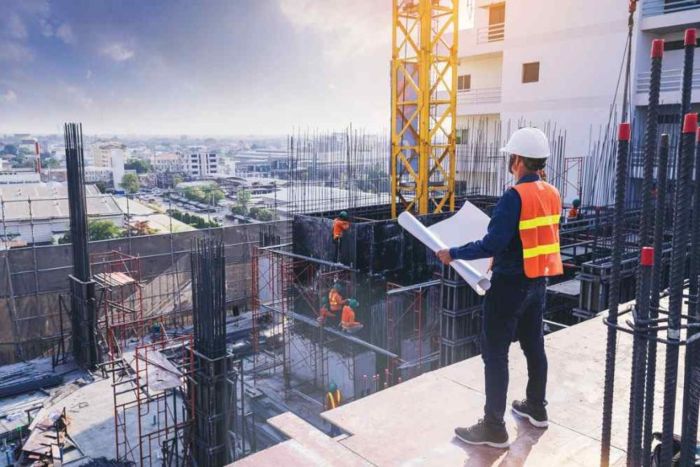
Infrastructure engineering and construction is rapidly redefining how modern cities, industries, and digital economies are built and maintained. In 2026, infrastructure engineering and construction is no longer limited to traditional civil works it now integrates advanced digital systems, sustainability frameworks, and data-driven project delivery models. Organizations like Instrata are helping shape this evolution by supporting smarter, more resilient infrastructure ecosystems that meet rising global demands.
As urban populations expand and climate pressures intensify, the need for efficient infrastructure engineering and construction solutions has never been greater. From transportation networks to energy systems and smart cities, this field sits at the core of economic growth and long-term resilience.
Understanding Infrastructure Engineering and Construction
At its core, infrastructure engineering and construction refers to the planning, design, development, and maintenance of essential physical and digital systems that support society. These include:
- Transportation systems (roads, bridges, railways, airports)
- Utilities (water supply, power grids, telecommunications)
- Public infrastructure (hospitals, schools, government facilities)
- Digital infrastructure (data centers, fiber networks, smart systems)
Unlike traditional construction, modern infrastructure engineering incorporates interdisciplinary expertise from civil engineering, structural engineering, environmental science, and systems engineering. The goal is not only to build but to optimize performance across the entire asset lifecycle.
Today, infrastructure engineering and construction also integrates digital planning tools, predictive modeling, and real-time monitoring systems to ensure efficiency and reduce long-term operational costs.
Why Infrastructure Engineering and Construction Matters in 2026
The global landscape in 2026 demands infrastructure that is faster to build, smarter to operate, and more resilient to disruption. Several key factors are driving this shift:
1. Urbanization and Population Growth
Cities continue to expand, requiring scalable infrastructure systems that can support increasing demand for housing, transportation, and utilities.
2. Climate Change and Resilience
Extreme weather events have made resilient infrastructure a priority. Engineering decisions now focus heavily on durability, adaptability, and environmental impact.
3. Digital Transformation
Infrastructure is becoming interconnected through sensors, automation, and data platforms, enabling real-time decision-making and predictive maintenance.
4. Economic Competitiveness
Nations and organizations that invest in advanced infrastructure engineering and construction capabilities gain long-term economic advantages through improved productivity and efficiency.
In this environment, infrastructure is not just a support system it is a strategic asset.
Core Stages of Modern Infrastructure Engineering and Construction
Successful infrastructure projects follow a structured lifecycle that ensures quality, safety, and efficiency.
1. Planning and Feasibility
This phase includes site analysis, environmental assessments, regulatory approvals, and cost estimation. Strategic planning ensures alignment with long-term goals.
2. Engineering Design
Detailed civil, structural, and systems design work is completed. This stage increasingly relies on digital modeling tools to simulate performance before construction begins.
3. Procurement and Resource Management
Materials, equipment, and contractors are sourced strategically to balance cost, quality, and sustainability requirements.
4. Construction Execution
This is the physical implementation phase where engineering plans are translated into real-world infrastructure. Efficiency, safety, and quality control are critical.
5. Testing and Commissioning
Systems are tested to ensure compliance, performance standards, and operational readiness.
6. Maintenance and Lifecycle Management
Modern infrastructure engineering emphasizes long-term asset management, ensuring infrastructure remains functional and efficient over decades.
Each phase is interconnected, making coordination essential for project success.
Technology Transforming Infrastructure Engineering and Construction
Digital innovation is reshaping how infrastructure projects are designed and delivered. Key technologies include:
Building Information Modeling (BIM)
BIM enables 3D digital representations of infrastructure projects, improving collaboration and reducing design errors.
Artificial Intelligence (AI)
AI supports predictive analytics, risk assessment, and optimized scheduling, helping reduce delays and cost overruns.
Internet of Things (IoT)
IoT sensors provide real-time monitoring of structural health, traffic flow, and environmental conditions.
Digital Twins
A digital twin is a virtual replica of physical infrastructure that allows engineers to simulate performance under different conditions.
Cloud-Based Project Management
Cloud platforms enhance collaboration across teams, enabling real-time updates and centralized data access.
These technologies are making infrastructure engineering and construction more precise, transparent, and efficient than ever before.
Sustainability and Resilient Infrastructure Development
Sustainability is now a central pillar of infrastructure engineering and construction. Projects are evaluated not only on cost and performance but also on environmental impact.
Key sustainability strategies include:
- Use of low-carbon and recycled materials
- Energy-efficient design principles
- Water conservation systems
- Integration of renewable energy sources
- Reduced construction waste through modular building methods
Resilient infrastructure is also designed to withstand natural disasters, cyber threats, and system failures. This dual focus on sustainability and resilience ensures long-term value for communities and stakeholders.
Challenges in Infrastructure Engineering and Construction
Despite technological progress, the industry still faces several challenges:
1. Cost Overruns and Budget Pressure
Large-scale infrastructure projects often exceed initial budgets due to unforeseen conditions and scope changes.
2. Regulatory Complexity
Compliance with local and international standards can slow project timelines.
3. Skilled Labor Shortages
The demand for experienced engineers and technical professionals continues to outpace supply.
4. Supply Chain Disruptions
Global supply chain instability can impact material availability and project scheduling.
5. Integration of New Technologies
While digital tools offer major benefits, integrating them into legacy systems can be complex.
Addressing these challenges requires strategic planning, strong leadership, and advanced project management frameworks.
Best Practices for Successful Infrastructure Projects
Organizations that excel in infrastructure engineering and construction often follow these best practices:
- Prioritize early-stage planning and risk assessment
- Use integrated digital project management systems
- Adopt modular and scalable design approaches
- Emphasize cross-disciplinary collaboration
- Invest in workforce training and upskilling
- Incorporate sustainability from the design phase
- Maintain transparent communication across stakeholders
These practices help reduce inefficiencies and improve overall project outcomes.
How Instrata Supports Modern Infrastructure Engineering and Construction
Instrata plays a significant role in advancing modern infrastructure engineering and construction by focusing on innovation, integration, and long-term performance. Through a strategic approach to infrastructure development, Instrata helps organizations design and implement systems that are both efficient and future-ready.
Their work reflects a growing industry shift toward integrated infrastructure ecosystems where engineering, technology, and operational intelligence work together seamlessly. By emphasizing data-driven decision-making and scalable solutions, Instrata supports clients in building infrastructure that can adapt to evolving demands.
The Future of Infrastructure Engineering and Construction
Looking ahead, infrastructure engineering and construction will continue evolving toward greater automation, intelligence, and sustainability. Several trends are expected to define the next decade:
- Increased adoption of AI-driven project planning
- Expansion of smart cities with interconnected infrastructure systems
- Greater reliance on renewable and decentralized energy infrastructure
- Fully digitized lifecycle management using digital twins
- Stronger focus on climate-adaptive design standards
In the future, infrastructure will not just support society it will actively respond to it. Systems will become self-monitoring, self-optimizing, and increasingly autonomous.
Conclusion
Infrastructure engineering and construction is at the center of global development in 2026. As cities grow and technologies evolve, the demand for smarter, more resilient, and more sustainable infrastructure continues to rise. Organizations that embrace digital transformation, sustainability, and integrated engineering approaches will lead the next era of infrastructure development.
By combining innovation with practical engineering expertise, companies like Instrata are helping shape infrastructure systems that are built not just for today but for decades to come.