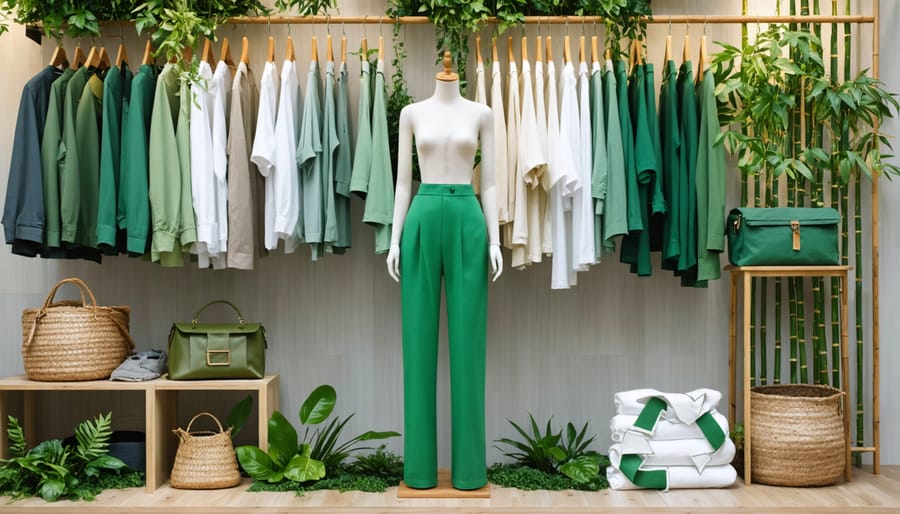
The Rise of Sustainability in the Clothing Industry
The sustainable clothing industry has evolved from a niche movement into a global necessity. With increasing awareness of environmental damage caused by fast fashion, consumers and brands are shifting toward eco-friendly practices that prioritize long-term ecological balance over short-term profits.
Traditional fashion production is one of the most resource-intensive industries in the world, consuming large amounts of water, energy, and raw materials while generating significant textile waste. Sustainable clothing growth focuses on reducing this impact by redesigning how garments are produced, distributed, and consumed.
This transformation is driven by changing consumer behavior. Modern buyers are more conscious of ethical sourcing, labor conditions, and environmental footprints. As a result, brands are now adopting transparency as a core value, sharing details about their supply chains and production methods.
Ethical Manufacturing and Eco-Friendly Materials
A key pillar of sustainable clothing growth is ethical manufacturing. This involves ensuring fair wages, safe working conditions, and responsible labor practices throughout the supply chain. Brands that prioritize ethics build stronger trust and long-term loyalty among customers.
Equally important is the use of eco-friendly materials. Organic cotton, bamboo fabric, recycled polyester, hemp, and biodegradable textiles are becoming popular alternatives to conventional materials. These fabrics reduce environmental damage while maintaining quality and durability.
Water conservation is another critical factor. Traditional textile dyeing and processing consume large volumes of water and release harmful chemicals. Sustainable production methods use low-impact dyes, waterless dyeing technologies, and closed-loop systems to minimize pollution.
Energy efficiency is also improving with the use of renewable energy sources in factories. Solar and wind power are increasingly being integrated into textile manufacturing units to reduce carbon emissions and operational costs.
Circular Fashion and Waste Reduction Systems
One of the most innovative developments in the sustainable clothing industry is circular fashion. Unlike the traditional linear model of “produce, use, dispose,” circular fashion focuses on reusing, recycling, and regenerating materials to extend the lifecycle of clothing.
Recycling programs allow old garments to be transformed into new fabrics, reducing the need for virgin materials. Clothing rental services and resale platforms also contribute to circularity by extending product usage and reducing waste.
Brands are increasingly designing clothes with longevity in mind. Durable stitching, timeless designs, and high-quality materials ensure that garments last longer and remain usable for years. This reduces overconsumption and encourages mindful purchasing behavior.
Packaging waste is also being addressed through biodegradable packaging, reusable bags, and minimalistic design approaches. Every stage of the product lifecycle is being optimized to reduce environmental impact.
Consumer Behavior and Market Transformation
Consumer awareness plays a central role in the growth of sustainable fashion. People are now more informed about the environmental cost of their clothing choices and are actively seeking brands that align with their values.
Social media has accelerated this transformation. Influencers, environmental activists, and fashion bloggers frequently promote sustainable brands, making eco-friendly fashion more visible and desirable. This digital influence has significantly changed buying patterns, especially among younger generations.
Pricing was once a barrier to sustainable fashion, but this is gradually changing. As production scales and technologies improve, eco-friendly clothing is becoming more affordable. Additionally, consumers are beginning to understand the long-term value of durable, high-quality garments compared to cheap fast fashion alternatives.
Retailers are also adapting by introducing sustainable collections and labeling systems that help customers identify environmentally responsible products. Certifications such as organic, fair trade, and carbon-neutral labels are becoming important decision-making factors.
Future Growth and Innovation in Sustainable Fashion
The future of sustainable clothing industry growth is closely tied to innovation and technology. Artificial intelligence is being used to optimize supply chains, reduce waste, and predict fashion trends more accurately, minimizing overproduction.
3D printing and digital fashion design are also emerging as game-changing technologies. These innovations allow designers to create garments virtually before physical production, reducing material waste and improving efficiency.
Biotechnology is another exciting area, with researchers developing lab-grown fabrics and biodegradable materials that can naturally decompose without harming the environment. These advancements could redefine how clothing is produced in the coming decades.
Government regulations and global sustainability standards are also pushing the industry forward. Many countries are introducing stricter environmental laws, encouraging brands to adopt greener practices and report their carbon footprints.
In conclusion, sustainable clothing industry growth represents a fundamental shift in how fashion is created and consumed. By combining ethical production, eco-friendly materials, circular systems, and technological innovation, the industry is moving toward a more responsible and future-ready model that benefits both people and the planet.