
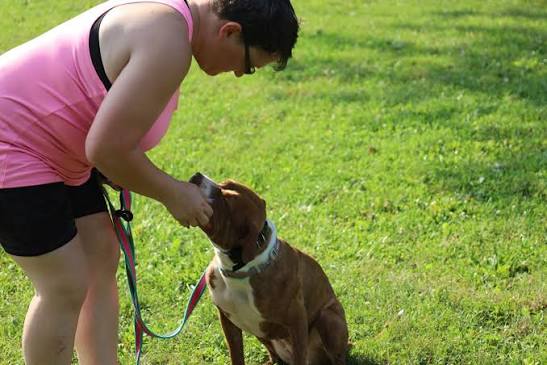
Bringing a puppy into your home is an exciting experience, but early training plays a major role in shaping future behavior. Puppy manners classes Arizona give young dogs the guidance they need to learn communication skills, household expectations, and positive habits during their most important developmental stages. Programs from Rob’s Dog Training help puppies build the foundation needed for becoming confident and well-behaved companions.
Puppies are naturally curious, energetic, and eager to interact with the world around them. Without proper direction, normal puppy behaviors such as jumping, chewing, barking, and pulling on the leash can become challenging for families. Structured training helps puppies understand boundaries while building trust between dogs and their owners.
A quality puppy training program is about more than teaching basic commands. It creates a foundation for lifelong cooperation, confidence, and safe social interactions while helping owners better understand their puppy’s needs.
Why Early Puppy Training Matters
The first months of a puppy’s life are a critical period for learning. During this time, puppies are developing their understanding of people, other animals, new environments, and daily routines.
Early training helps puppies learn how to respond appropriately in different situations. A puppy that practices good behaviors from a young age is more likely to become a balanced adult dog.
Some important skills puppies can develop through early training include:
- Responding to basic cues such as sit, stay, and come
- Learning appropriate play behaviors
- Building comfort around new people and environments
- Improving impulse control
- Reducing unwanted habits
- Developing confidence through positive experiences
Training also gives owners practical tools for handling common puppy challenges. Instead of reacting to unwanted behaviors after they happen, families learn how to encourage better choices from the beginning.
What Puppies Learn in Manners Classes
Puppy manners classes focus on everyday behaviors that help dogs become enjoyable companions at home and in public spaces.
While every puppy learns at a different pace, many programs introduce skills such as:
Basic Obedience Training
Basic obedience creates a shared language between dogs and humans. Simple cues allow owners to communicate expectations clearly and help puppies understand what behaviors are rewarded.
Common lessons include:
- Sit and down commands
- Coming when called
- Staying focused around distractions
- Waiting patiently
- Walking politely on a leash
These skills are useful in everyday situations, from relaxing at home to enjoying outdoor activities with family members.
Socialization Skills
Socialization is one of the most valuable parts of puppy development. It teaches puppies how to interact calmly with different people, dogs, sounds, surfaces, and environments.
Proper social experiences help puppies become more adaptable. A well-socialized puppy is often better prepared for situations such as meeting visitors, visiting parks, traveling, or encountering unfamiliar surroundings.
Socialization should be thoughtful and positive. The goal is not simply exposure but helping puppies build confidence while learning appropriate responses.
Impulse Control and Self-Management
Puppies often act on excitement before thinking through their actions. Jumping on guests, grabbing objects, or rushing through doors are common examples of behaviors linked to limited impulse control.
Manners training teaches puppies how to pause and make better choices. These lessons can include waiting for food, remaining calm during greetings, and focusing on their owner despite distractions.
Impulse control is especially helpful for active breeds or puppies living in busy households.
How Puppy Manners Classes Arizona Support Family Life
A trained puppy is easier to manage, but the benefits extend beyond convenience. Training creates stronger communication between dogs and their families.
Many puppy owners struggle because they unintentionally send mixed signals. A puppy may receive attention for jumping one day and correction for the same behavior another day. Consistency helps dogs understand expectations more quickly.
Professional puppy training can help families:
- Establish clear routines
- Understand canine body language
- Address unwanted behaviors early
- Build stronger relationships with their dogs
- Create safer interactions around children and guests
Training is a partnership. Owners learn alongside their puppies, gaining knowledge that supports positive behavior long after classes end.
Choosing the Right Puppy Training Program
Not all training approaches are the same. When choosing a puppy manners program, owners should look for a trainer who focuses on communication, patience, and practical skills.
Important factors to consider include:
Training Methods
A strong training program should focus on encouraging desired behaviors through clear guidance and appropriate rewards. Positive reinforcement-based methods can help puppies understand what actions lead to good outcomes.
Trainer Experience
Experience with different breeds, temperaments, and puppy personalities is valuable. Every puppy has unique learning needs, and skilled trainers adjust their approach based on the individual dog.
Class Environment
The training environment should support learning while keeping puppies comfortable. A good class balances structured exercises with opportunities for controlled social interaction.
Owner Education
The best programs teach people as much as they teach dogs. Owners should leave classes with practical strategies they can use during daily life.
Common Puppy Behavior Challenges and Solutions
Many puppy behaviors are normal but require proper guidance. Understanding why a puppy behaves a certain way makes training more effective.
Excessive Chewing
Puppies explore the world with their mouths, especially during teething. Providing appropriate chew toys and redirecting attention helps puppies learn what objects are acceptable.
Jumping on People
Puppies often jump because they are excited and seeking attention. Teaching calm greetings helps replace jumping with more appropriate behaviors.
Leash Pulling
Walking politely requires practice. Puppies need to learn that staying near their owner leads to positive experiences during walks.
Barking
Barking can happen for many reasons, including excitement, boredom, fear, or seeking attention. Understanding the cause allows owners to address the behavior appropriately.
Difficulty Focusing
Young dogs have short attention spans. Training sessions should be engaging, consistent, and suited to the puppy’s age and abilities.
Building Long-Term Success After Puppy Classes
Completing a puppy manners program is an important milestone, but training continues throughout a dog’s life. Puppies need regular practice to maintain their skills and continue developing good habits.
Owners can support continued progress by:
- Practicing commands during everyday activities
- Rewarding positive choices consistently
- Providing mental stimulation through games and activities
- Continuing social experiences in safe environments
- Maintaining clear household expectations
Dogs learn through repetition and experience. Small daily training moments can make a significant difference over time.
The Connection Between Training and a Stronger Human-Dog Bond
Training is not only about obedience. It is also about understanding each other.
When owners learn how their dogs communicate, they can respond more effectively to their needs. Puppies that receive consistent guidance often develop greater confidence because they understand what is expected.
A strong bond is built through trust, patience, and shared experiences. Training sessions provide opportunities for dogs and owners to work together while creating positive memories.
Give Your Puppy the Right Start
The habits puppies develop early can influence their behavior for years. Puppy manners classes Arizona provide families with the knowledge and support needed to raise polite, confident companions.
With professional guidance, puppies can learn essential skills while owners gain a better understanding of canine behavior. Early training creates a foundation that supports safer interactions, improved communication, and a happier relationship between dogs and their families.
For families looking to give their puppy the best possible beginning, working with an experienced training provider such as Rob’s Dog Training can be a valuable step toward building lasting manners and reliable behavior.